Turnover Isn’t Inevitable: How Better Systems and Equipment Can Help Change the Equation

Four chefs laughing and talking in a professional kitchen, one leaning on a counter near bowls of sliced carrots.

Most foodservice operators work hard to build a strong team. Recruiting takes time, onboarding takes energy, and finding people who fit takes both. But whether those efforts stick often comes down to something less visible than the hiring process — the operational systems people work inside every day. Better systems, smarter equipment, and ongoing training can help make the difference.

The Real Cost of Turnover

Replacing a single hourly employee now costs an average of $5,800, and that figure only captures the visible expenses. Lost productivity and the time it takes to get a new hire up to speed are measurable. The downstream impact on service quality and team morale is harder to quantify.

High turnover means slower service, longer ticket times, and inconsistent food quality. The team members who stay absorb the added pressure. When your most reliable staff spend every shift supporting new hires, even a strong operation starts to feel the strain. Stability is what allows a kitchen to build momentum and maintain it.

Why Retention Is About More Than Wages

Competitive wages matter and are an important part of keeping good people. But compensation alone rarely tells the whole story. Staff also stay, or leave, based on how supported they feel doing the job itself.

Difficult workflows make a long shift feel longer. Equipment that’s hard to use, prone to issues, or slow during a rush adds stress to an already demanding environment. When the tools on the line — whether it’s a fryer, a combi oven, a rotisserie, or a high-speed oven — run smoothly and are easy to operate, staff can focus on doing their jobs well. That sense of capability and confidence goes a long way.


The Role of Training in Retention

Foodservice equipment training is one of the most practical investments an operator can make in their team, and one of the most impactful for retention. When staff understand how to use equipment correctly, they work more efficiently, make fewer mistakes, and feel more confident in their roles. Proper use also means equipment is maintained better, leading to fewer service issues, less downtime, and a kitchen that runs more predictably for everyone on the line.

Training also can’t be treated as a one-time event. In a high-turnover industry, repeatable training systems matter as much as the initial onboarding. When processes are documented, and foodservice equipment training is ongoing, the operation doesn’t lose ground every time a team member turns over. The system holds even when the roster changes.


What High-Performing Operators Do Differently

Operators who retain great staff tend to share a few common practices. They:

  • Invest in ongoing training and re-training programs that don’t stop after day one.
  • Standardize processes across every shift so the operation doesn’t depend on any one person.
  • Choose foodservice equipment that simplifies execution across the entire line, not just one station.
  • Partner with suppliers who provide wraparound support well beyond the initial sale.

These practices reduce the friction that makes demanding jobs feel unsustainable, and they give staff a better chance to succeed.


Build an Operation People Want to Stay In

Turnover isn’t inevitable. With the right systems, equipment, and foodservice staffing solutions in place, kitchens can build the kind of stability that keeps good people around and allows the operation to grow.

PHT Systems works with foodservice operators to do exactly that. From equipment selection and staff training to ongoing service and support, we’re here to help your kitchen run better and give your team the tools they need to thrive.

Ready to build an operation people want to stay in? Contact PHT Systems today.

Why Experienced Kitchen Equipment Service Technicians Make the Difference

Appliance technician repairing a piece of equipment.

In foodservice, equipment is not a background detail. It is the engine of your operation.

The moment critical equipment goes down — such as an open fryer, combi oven, rotisserie, or holding cabinet — the impact is immediate. Revenue slows, staff stress rises, and the customer experience suffers. What starts as a mechanical issue quickly becomes an operational one.

The real question is not if you will need service. It is when you will need service and how fast you’ll be back up and running when you do. And not all foodservice equipment repair providers deliver the same outcome. 

The Most Common “We Should’ve Called Sooner” Scenario

It often starts small.

Recovery times are slower. The fryer sounds different. The oven takes longer to reach the desired temperature. A minor drop in performance becomes routine.

Then it fails during lunch rush.

By the time the service call is placed, the issue has compounded. What could have been a quick fix now requires parts, extended downtime, and lost revenue.

Early action reduces disruption. Experienced technicians know how to spot the difference between a minor adjustment and a developing failure.

What Equipment Downtime Really Disrupts

Every breakdown is different. The urgency and operational impact depend heavily on the equipment involved. A down fryer can increase ticket times. A combi oven issue may mean reduced menu availability. A failed holding cabinet may compromise food quality and throughput during peak hours.

In high-volume operations, even small performance dips can create major bottlenecks. Common impacts include:

  • Reduced menu availability
  • Slower ticket times
  • Increased labor pressure
  • Lost food sales
  • Rushed work environments during peak periods
The Preventable Problems We See Repeatedly
  • Skipped cleaning procedures
  • Infrequent fryer filtering
  • Not following operational instructions
  • Ignored warning signs or performance changes

Maintenance and operational discipline directly affect repair frequency. When equipment is not cleaned or operated according to manufacturer guidelines, strain increases, components wear more quickly, and minor irregularities can become major failures. For example, filtration practices significantly impact fryer performance and oil life.

Operators who understand how their foodservice equipment works — and have access to proper equipment training — will experience fewer breakdowns because they are being proactive with their investment.

The Cost of Waiting Too Long

Delaying service rarely reduces cost; it almost always increases it. The secondary costs of slow heat recovery or a minor leak often outweigh the repair bill itself.

What could have been a single service visit turns into a multi-day disruption with:

  • Lost food sales
  • Strained employees
  • Slower customer service
  • Emergency part sourcing
  • Repair versus replacement decisions

Why Resolution Time Matters More Than Response Time

Same-day arrival does not guarantee fast recovery. A lower hourly rate does not always mean a lower total cost.

An inexperienced technician may respond quickly but take longer to diagnose. They may need to order parts. They may require multiple return visits. Each delay extends disruption.

Resolution time, not just response time, is what protects revenue.

This is where experienced, manufacturer-authorized technicians make the difference.

PHT Systems services the equipment it sells. Our factory-authorized technicians are trained specifically and working daily on the brands we sell. Having technicians familiar with the equipment and direct access to a large inventory of OEM parts reduces downtime and avoids extended disruption.

Key advantages include:

  • Manufacturer-authorized and preferred service
  • Technicians trained on specific equipment models
  • Extensive OEM parts inventory
  • High first-time fix rate
  • No charge for the return trip if the required part was not initially on the van

Who Benefits Most from Experienced Services?

Every operator needs service eventually, and every operation benefits from experienced technicians, including:

  • High-volume operators
  • Businesses dependent on specific equipment
  • Operations with limited backup capacity
  • Operators weighing repair versus replacement

Partnering with a foodservice equipment supplier that supports training, re-training, and service creates operational stability long before the first breakdown.

Service Is Part of the Partnership

Equipment sales should only be the beginning of a foodservice partnership.

PHT Systems focuses on servicing the equipment it sells, with a deep familiarity of the brands we represent through direct manufacturer relationships and technicians trained specifically on the equipment in your kitchen.

Our service goal is simple: to provide superior service so operators can continue serving their customers.

If you are evaluating your current service support or want a partner who understands your operation beyond the sale, contact the PHT Systems service team today.

Foodservice Equipment Trends for 2026: Smarter, Faster, Fresher

Foodservice equipment, like Henny Penny combi oven and a Henny Penny fyrer, in a kitchen.

The year 2026 will define a new era for professional kitchens. Efficiency is no longer a goal to hit, but rather the only way to compete.

Every square foot of kitchen space must produce revenue, every minute of labor must count, and every dollar invested must prove its return. With rising food costs and staffing challenges now the norm, foodservice operators face limited variables you can control.  One of the most critical is how your kitchen performs.

Operators are now looking for equipment that does more. They need solutions that are faster and smarter. The industry is shifting away from single-use appliances toward multipurpose equipment. From energy efficiency to automation, new foodservice equipment solutions are helping operators protect their margins without sacrificing quality.

PHT Systems helps foodservice and retail kitchens navigate these high-stakes decisions. We connect you with reliable, tested equipment that supports growth. Here is how the kitchen of 2026 is evolving.

Three 2026 Foodservice Equipment Trends

1. Smarter Kitchens: Technology That Simplifies Operations 

Labor is your most volatile cost in the food service industry. High turnover turns training into a constant drain on time and resources. Equipment with intuitive, user-friendly controls bridges the skills gap, allowing entry-level staff to execute complex menus with consistency and confidence. 

Automation reduces manual steps, while built-in data and diagnostics provide visibility. This reduces the mental load on your team, allowing them to focus on the customer rather than troubleshooting equipment, resulting in a more customer-focused kitchen. Smarter kitchens buy back time. 

It means fewer manual steps in the prep process and shortened training cycles. When staffing is tight, this ensures you can still deliver high-quality food without burning out your team. 

Equipment Solutions:

  • Henny Penny FlexFusion Combi Ovens: The centerpiece of a smart kitchen, a Henny Penny FlexFusion Combi Oven replaces multiple pieces of traditional equipment in one footprint. Touchscreen controls and programmable humidity settings allow operators to standardize complex recipes, so a new hire can achieve chef-level results at the push of a button.
  • Henny Penny Evolution Elite Open Fryers: This open fryer automates oil management to save labor and resources. Built-in Smart Touch Filtration filters oil automatically to reduce manual handling. Advanced load sensing adjusts cook times for any batch size, ensuring high-volume output with significant oil savings.

2. Faster Production: High-Throughout, Low-Labor Equipment 

Speed drives profitability. In a high-volume operation, you cannot sell what you cannot cook.  

In 2026, the focus is on equipment that increases throughput without adding labor. Faster cook cycles and rapid recovery times allow kitchens to meet demand, shorten customer wait times, and increase table turns or drive-thru volume without expanding your footprint. 

Equipment Solutions:

  • Henny Penny Velocity Series Pressure Fryer: Built for high volume operations, the Henny Penny Velocity Series Pressure Fryer provides low oil usage that specifically extends oil life, resulting in significant cost reductions. It also boasts fast recovery times, allowing you to be ready for the next 8-head chicken load immediately. Automatic oil filtration also keeps production moving during peak periods. 
  • Prática High Speed Ovens: A high speed oven for restaurant use needs to be versatile, and Prática’s high speed commercial ovens deliver. Cooking up to 10 times faster than conventional ovens, they allows you to toast, bake, and grill in seconds, providing a hot menu item in the time it takes to pour a drink.

3. Fresher Food: Meeting Demand for Quality and Transparency 

Expectations of retail and convenience store food have evolved. Consumers no longer want “packaged and preserved” offerings. They want “fresh-prepared” food they can see, and they want it to look as if it was made moments ago. 

Maintaining that visual appeal across extended hold times is challenging, but modern prep and display equipment make “fresh” scalable. You can batch cook without sacrificing quality — showcasing texture, moisture, and color — and display high-margin items in high-traffic areas. This helps kitchens deliver made-on-site meals efficiently, turning your merchandiser into a profit center. 

Equipment Solution:

  • Fri-Jado Hot & Cold Merchandisers: A commercial hot and cold merchandiser displays freshly made meals, maintaining ideal holding temperatures to keep grab-and-go options looking and tasting fresh. Customize the hot and cold merchandiser setup to cross-merchandise meals and drinks, or salads and warm sides to drive incremental sales.
 

Ready to Upgrade Your Kitchen for 2026?

The industry is moving fast, and your equipment needs to keep up. Do not let outdated equipment slow down your service. PHT Systems will simplify your complex kitchen decisions, helping you choose the right tools to protect your margins and grow your business.

Let’s make your kitchen smarter, faster, and fresher in 2026. Contact PHT Systems to explore equipment solutions that deliver real results.

How EOS Helps PHT Systems Serve Foodservice Operators Better

Foodservice operators rely on systems to keep kitchens efficient, consistent, and profitable. You manage inventory, schedules, and service with a clear process.

At PHT Systems, we apply the same principle to our own business.

We run on the Entrepreneurial Operating System (EOS), an internal framework that ensures every part of our company — from consultation to service — is aligned around a single goal: delivering better results, faster responses, and lasting support for your operation.

6 Ways EOS Makes PHT Systems a Stronger Partner for Your Kitchen

The EOS framework is built on six key components. By focusing on these core areas, we align our entire team and processes on what matters most: delivering consistent value to your foodservice operation.

1. Vision: Aligning Around The Operator’s Needs

EOS starts with 100% clarity on vision. For PHT Systems, that vision is simple: we help foodservice operators run smoother, more profitable kitchens.

Every equipment recommendation, service call, and training session leads back to one goal. We stay focused on your desired outcomes — like lowering oil costs, reducing downtime, or maximizing limited space — to deliver a measurable return on your investment and satisfaction for your customers.

2. People: Building a Team with the Right Individuals in the Right Seats

A system is only as good as its leaders. EOS emphasizes having the “right people in the right seats.” At PHT Systems, this translates directly to the experts you work with:

  • Experienced Foodservice Consultants: Our team has the industry experience to understand your unique challenges and recommend the right equipment.
  • Factory-Trained Technicians: We employ expert foodservice equipment technicians, who are factory-trained to service brands including Henny Penny, Fri-Jado, Carpigiani, and Prática.
  • Accountable Support Staff: Our team members are specialists in their individual roles, and together we collaborate to support our customers, ensuring the right solutions are delivered with consistent follow-through.

3. Data: Using Metrics to Drive Better Service

EOS teaches that data clarifies performance and removes guesswork. By tracking key metrics on response times, service outcomes, and training hours, we gain a clear view of our performance.

For you, this data-driven approach means more consistent service and the confidence that PHT Systems is monitoring what matters most, such as dispatching a restaurant equipment service technician to your location quickly to minimize downtime.

4. Issues: Solving Problems Quickly and Permanently

In foodservice, unsolved problems cost money. A fryer that is down or a team that is not trained properly can negatively impact customer service and repeat business.

EOS provides a framework for identifying and resolving these issues permanently. When a problem arises, PHT Systems brings the right team together to identify the root cause and deliver a lasting solution. This could be a quick equipment repair, immediate parts replacement, or scheduling onsite restaurant equipment re-training.

5. Process: Standardized Procedures for Reliable Results

Clarity and consistency are essential to EOS. Because we have built clearly defined, standardized processes for every part of PHT Systems’ business, including consultation, installation, training, and service, you know exactly what to expect from us.

Our processes for foodservice equipment training are clear and reliable, ensuring your team receives the same high-quality instruction every time.

6. Traction: Turning Goals into Results

Finally, EOS is about execution and accountability. We set quarterly goals and hold regular meetings to keep the entire team focused on improving our customers’ experience.

For foodservice operators, this translates into a partner that never stops improving. We continually invest in better service, new commercial kitchen equipment training resources, and more efficient equipment solutions to help you succeed.

Better Systems. Better Kitchens. Better Partnership.

By running on EOS, PHT Systems operates with the same clarity, discipline, and focus that our customers value in their own kitchens. We are a business designed to be your most reliable partner.

Ready to see how a process-driven foodservice equipment partner can create stronger outcomes for your foodservice operation? Schedule a consultation with our foodservice consultant team today.

Do More with Less: Four Practical Foodservice Staffing Solutions for Today’s Labor Challenges

Another Saturday night, another shift running with a skeleton crew. It’s a familiar story for kitchen managers and restaurant owners everywhere. 

While headlines may suggest a post-pandemic recovery, the reality on the ground is a persistent labor challenge. The competition for talented, reliable staff is fiercer than ever, leading to high turnover, constant training, and managers being pulled from their core duties to work the line.

These staffing issues are complex and cannot be solved overnight with a “now hiring” sign. The solution isn’t finding more people; it’s fundamentally re-engineering your kitchen’s workflow. It’s about empowering the team you have with better tools and smarter processes.

Learn how the right technology can help you maintain food quality and service speed, even when short-staffed, and create a more efficient, less stressful environment to help you retain your best employees.

The Labor Shortage Landscape: A Persistent Challenge

Understaffing is more than an inconvenience — it directly threatens your bottom line and brand reputation. When a kitchen is pushed to its limits, the consequences ripple throughout the operation. Order times get longer, leading to frustrated customers and negative online reviews. Food quality becomes inconsistent, as stressed-out cooks rush to keep up. Most importantly, it creates a high-pressure environment that burns out your best employees, fueling a vicious cycle of turnover.

The numbers confirm what you likely already feel. According to the National Restaurant Association’s 2024 State of the Restaurant Industry Report, 45% of restaurant operators report they do not have enough employees to support customer demand. This isn’t a temporary blip; it’s a new operational reality. Proactive operators understand they must reduce their dependency on manual labor without sacrificing the quality their customers expect.

Alleviate Staffing Pressures with Intelligent Foodservice Equipment

The most effective restaurant staffing solutions involve leveraging technology to simplify tasks, combine roles, and reduce manual effort. Here is how specific equipment investments can make an immediate impact in your kitchen.

#1. Reduce Hands-On Labor with Self-Service Solutions

Every time a front-of-house employee has to stop to serve a pre-packaged item, it’s a moment they aren’t taking a new order or checking on a table. Self-service solutions like grab-and-go hot and cold merchandisers are a simple yet powerful way to reclaim that time. 

By allowing customers to serve themselves drinks, sandwiches, and other ready-to-eat items, you minimize the need for a dedicated counter staff member, particularly during busy peak periods. This frees up your team to focus on higher-value tasks, such as production, quality control, and direct customer engagement that improves the overall guest experience.

#2. Consolidate Roles Through Multi-Purpose Equipment

A traditional kitchen line requires multiple stations and specialized staff. A modern, efficient kitchen uses versatile equipment to do more in less space. A prime example is the Henny Penny FlexFusion combi oven. This single piece of foodservice equipment can steam, roast, bake, and hold, effectively combining the functions of multiple appliances.

Imagine your lead cook managing roasted chickens, steamed vegetables, and freshly baked bread for an order without ever leaving their station. This consolidation of tasks makes your team more efficient and simplifies your kitchen workflow, reduces communication errors, and can even shrink your kitchen’s physical footprint. 

Stainless steel Henny Penny FlexFusion Team Combi oven with two stacked chambers for versatile commercial cooking and baking.

#3. Cut Cleaning Time and Boost Morale

Cleaning is one of your team’s most labor-intensive and least-liked tasks. The hours spent scrubbing fryers and ovens at the end of a long shift contribute significantly to employee fatigue and dissatisfaction. Auto-clean rotisseries and combi ovens with built-in, automated wash cycles are a game-changer. This technology can save your team hours of manual labor every single day.

Reducing the reliance on harsh chemicals creates a safer kitchen, and giving employees back an hour of their evening is a powerful tool for boosting morale and improving retention. That reclaimed time can be reinvested into more productive activities like detailed prep for the next day’s service.

#4. Minimize Training Time and Drive Consistency

In an industry with high turnover, operators are often stuck on a “training treadmill,” constantly onboarding new hires. You need employees to be productive and consistent from day one. This is where intuitive foodservice equipment with pre-programmed settings becomes essential.

Ventless high speed ovens like those from Prática allow a new hire to cook a complex menu item perfectly with a single button press. Pre-set recipes remove the guesswork, ensuring every customer gets the same high-quality product, regardless of who is working that shift. This consistency is vital for protecting your brand’s reputation. When paired with a foodservice equipment supplier that provides comprehensive initial training and ongoing re-training, you can finally break the cycle of constant onboarding and focus on operational excellence.

The PHT Systems Partnership: Your Strategy for the Future

The foodservice equipment is only one part of the solution. To truly build a resilient operation, you need a supportive foodservice equipment partner who acts as a consultant, not just a vendor. 

A true partner offers a comprehensive support system:

  • Expert Training: We don’t just drop off a manual. Our experts provide hands-on training for your team, tailored to your menu and workflow, to ensure you get the most out of your investment from day one.
  • Factory-Authorized Service: Equipment downtime is a profit killer. Our factory-authorized service technicians are on call 24/7 to minimize disruptions and keep your kitchen running at peak performance.
  • OEM Replacement Parts: We maintain a well-stocked inventory of OEM replacement parts. This means no more waiting weeks for a critical component, ensuring fast and reliable repairs.

Overcome Your Labor Strain

Strategic investments in foodservice equipment are no longer a luxury. They are a core component of any effective restaurant staffing solution. Combining an empowered, well-trained staff with versatile, automated foodservice equipment gives you the flexibility to adapt to labor fluctuations. 

By automating repetitive tasks, simplifying your workflow, and creating a better work environment, you can build a more resilient and profitable operation — even with a leaner team.

Ready to see how these solutions can reduce labor strain in your kitchen? Schedule an equipment demo with a PHT Systems expert today.

Expand Your Menu with Smarter Equipment

Customers want variety. Kitchens need efficiency. Adding new items to the menu can boost sales and draw in fresh traffic, but it’s a move that requires a smart approach. Without it, you risk slowing down your line, increasing food waste, and eating up valuable space in an already crowded kitchen.

The pressure to expand your menu should not compromise the quality or speed that your customers expect. With the right foodservice equipment and a clear strategy, you can introduce new offerings without adding complexity to your operation.

Why Menu Expansion Can Cause Operational Headaches

Adding more menu items means more prep, more storage, and more training. Every new recipe introduces another set of ingredients and another workflow for the team to learn. This can create bottlenecks during peak hours — ticket times get longer, food waste rises, and labor demands follow. A menu expansion only works when backed by processes and tools designed to do more in the space you have.

Invest in Equipment That Works Harder (and Smarter)

Versatile and space-saving equipment is a game-changer in a busy kitchen. The right equipment lets you add variety without adding bulk. These solutions support menu growth and keep your workflow efficient, helping you get more out of your equipment investment.

Henny Penny FlexFusion™ Combi Ovens

Henny Penny’s commercial combi ovens combine baking, roasting, steaming, and grilling in one footprint. One Henny Penny combi oven can replace multiple single-task machines, freeing up space and cutting energy and labor costs. Programmable settings and precise temperature control ensure consistent results no matter who is operating it and no whether baking pizza, roasting chicken, or steaming vegetables. 

For instance, a convenience store could attract fast-food customers by serving fresh, hot meals. However, they likely only have space for one piece of equipment. A Henny Penny FlexFusion Team Combi can roast whole chickens, switch to steam-cooking vegetables, cook pizzas, and bake trays of mac and cheese, all in the same unit. This single piece of commercial kitchen equipment allows foodservice operators to offer a diverse, high-quality menu from a minimal footprint, transforming their store into a legitimate meal destination.

Prática Ventless Rapid Cook Ovens

Perfect for kitchens with limited space, Prática commercial ovens deliver high-speed cooking without the need for external ventilation. Quick cook times and even heat distribution keep food quality high and service times low. Plus, the ventless design eliminates costly hood installations. 

Perfect for a bustling downtown café, Prática ventless rapid-cook ovens help serve up toasted sandwiches and flatbreads fast enough to keep the lunch crowd coming back. While the front-of-house has no space for a full kitchen line, a ventless rapid oven can perfectly toast sandwiches in under two minutes — directly on their counter!

Cut Complexity, Not Quality

Smart commercial kitchen equipment helps you add new offerings without adding operational stress. It allows your team to focus on what matters most: the food.

The right equipment will help you: 

  • Save Time with Automation – Features like self-cleaning ovens, built-in cooking menus, and programmable cycles handle the repetitive work. This reduces the need for extensive training and limits the chance of human error. When your equipment manages the details, your staff can focus on service and quality.
  • Deliver Consistent Results – Consistency is key to customer loyalty. Smart equipment delivers the same great results dish after dish, even when you add new items to the menu. Automated controls ensure every item is cooked to perfection, protecting your brand’s reputation.
  • Waste Less – Precision cooking means fewer mistakes and less spoilage. Better food holding equipment keeps products at the perfect temperature for longer, reducing the amount of food thrown out. This directly translates to lower food costs and healthier profit margins.

Partner With a Supplier Who Plans Ahead

The right equipment is only half the equation. A foodservice equipment supplier who understands your menu goals can help you choose the right tools, train your team, and keep your kitchen running at peak performance.

PHT Systems offers:

A Smarter Strategy for Your Kitchen

You can expand your menu, attract more customers, and keep your kitchen lean — but only if you choose equipment that works as hard as you do.

Investing in versatile, high-performance tools is not just an equipment upgrade; it’s a business strategy that pays off in efficiency, quality, and growth. From combi ovens to speed ovens, the right kitchen equipment makes it easier to add variety without sacrificing the speed or consistency your customers count on.

Ready to plan your next menu expansion the smart way? Schedule a consultation with PHT Systems to explore versatile, high-performance solutions for your kitchen.

Equipment Training Is the Real Competitive Edge in Foodservice

Whether you run a fast-casual restaurant or a retail deli, every kitchen runs on more than heat and horsepower — it runs on knowledge. Equipment only delivers when the operator knows how to use it. Even the most advanced tools can’t overcome operator error, staffing turnover, or daily rush-hour chaos without proper support. That’s where strategic training becomes the difference-maker.

The best foodservice equipment consultants understand this. Foodservice equipment training shouldn’t stop at installation. It should be built into the lifecycle of your equipment and team. From initial onboarding to mastering advanced features, strong programs protect your investment, sharpen your workflow, and save you money.

Why Training Matters in a High-Turnover Industry

In foodservice, high turnover isn’t a risk — it’s reality. Today’s line cook might be tomorrow’s manager, or gone altogether. In that environment, undertrained staff can lead to costly outcomes: wasted product, delayed orders, burned oil, and even safety hazards.

Commercial kitchen equipment is an investment. But without ongoing restaurant equipment training, even the best tools can underperform. A fryer set at the wrong temperature, an oven cleaned improperly, or holding equipment used incorrectly can all chip away at food quality and profits.

A trusted foodservice equipment consultant understands these risks. That’s why training programs tailored to real-world operations — like how to use, clean, and maintain equipment — are essential. When operators are confident, kitchens run smoother. When training is consistent, quality stays high no matter who’s on the clock.

Equipment is Only as Good as Its Operator

The most advanced equipment in the world is still reliant on the people using it. A Henny Penny Open Fryer, for instance, can help kitchens reduce oil use, maintain consistent crispiness, and keep up with heavy volume. But if staff don’t understand how to use features like Smart Touch Filtration or know how to properly clean the equipment, those advantages are lost.

That’s why many foodservice equipment providers emphasize commercial kitchen equipment training that’s specific, thorough, and built around actual kitchen workflows. Training helps: 

  • Operators know how to get the most out of each feature
  • Troubleshooting become second nature
  • Cleaning protocols become habit
  • Shrink downtime

Even better? Some partners offer free foodservice equipment training to help kitchen staff get — and stay — up to speed. These programs help users turn good tools into great outcomes.

Long-Term Success Starts Day One

Any strong foodservice training program should be more than a handoff. The most effective partners treat training as an ongoing investment, not a checkbox. Real success starts on day one and continues throughout the equipment’s lifecycle.

When operators know how to clean, maintain, and optimize their tools, equipment lasts longer and performs better. When retraining is available, kitchens stay sharp — even when staff turnover is high. Proactive support also builds trust, consistency, and smoother service across every shift.

In today’s kitchens, success doesn’t hinge on tools alone, but rather the people behind them. Look for foodservice partners who stick with you and show up when it matters.

The PHT Systems Wraparound Training Model

PHT Systems’s support doesn’t stop with the sale. Their wraparound training model begins before the unit ever reaches the kitchen. During the sales process, PHT Systems consultants assess kitchen layout, menu demands, and labor needs. This ensures the right tool is matched with the right task.

When the equipment is installed, training begins on-site with hands-on sessions with your team in your own kitchen. Staff get to practice using the equipment as they would during a rush. Questions are answered in real time, and mistakes are corrected early. By the time service starts, your team is already confident.

However, PHT Systems knows kitchens change, whether it’s staff turnover or evolving menus. That’s why retraining is part of the plan. Whether it’s a remote refresh or an in-person visit, PHT Systems shows up when you need it. PHT Systems also provides laminated quick-reference guides to keep key procedures within reach. The goal is long-term performance, not just short-term prep.

Training That Translates to Performance

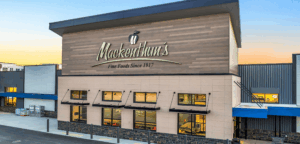
At Mackenthun’s Fine Foods in Waconia, Minnesota, tradition runs deep. But to keep up with growing demand for scratch-made, hot-and-ready meals, their team needed smarter, faster equipment — and a training partner who could help them use it well.

PHT Systems invited Mackenthun’s to their demo kitchen for hands-on trials. From there, they led in-store Henny Penny training sessions to onboard staff on the Henny Penny Velocity Series Open Fryer and FlexFusion Combi Oven. The results were immediate.

Production increased, oil quality stayed high, and food stayed consistent. The biggest impact? Crews on every shift learned to use the equipment correctly and efficiently. Mackenthun’s never missed a beat, even as seasonal menus changed or staffing shifted, with PHT Systems continuing to provide retraining and check-ins.

Ready to Turn Training Into Your Advantage?

You invest in the right equipment. Make sure you’re also receiving the training to match. The right education turns great tools into reliable output, higher margins, and a more confident team.

Training is more than instruction. It’s your competitive edge. Reach out to PHT Systems today to start your journey with confidence.

Minimize Downtime, Maximize Performance: Smart Strategies for a More Smoothly Run Kitchen

When your fryer goes down at lunch rush or your combi oven won’t reset before a catering pickup, the ripple effect can derail service, frustrate staff, and impact revenue. The hard truth? Most commercial kitchen equipment failures don’t come out of nowhere — they’re often the result of skipped preventative maintenance, delayed service, or operator error.

That’s why building a proactive, robust support system around your foodservice equipment is not just advisable, but essential for sustained success. Whether you’re operating a high-volume kitchen with multiple pressure fryers and open fryers, overseeing a full-scale back-of-house operation, or running a compact, but critical, kitchen in a convenience store, a few smart habits can help you stay ahead of costly downtime.

4 Smart Strategies to Minimize Equipment Downtime

Keeping your kitchen equipment running doesn’t involve luck. It involves implementing systems and fostering a culture of proactive equipment care. From daily maintenance to comprehensive team training and dependable service support from expert foodservice equipment service technicians, these four strategies will reduce disruptions and keep you servicing customers.

1. Build a Preventive Maintenance Routine

Preventive maintenance is more than just a box to check — it’s the difference between consistent output and unexpected (and expensive) breakdowns. Creating a proactive care plan for your high-volume kitchen equipment protects your investment and ensures your units perform under pressure.

Don’t wait for a fryer’s filter pump motor to fail or lid gaskets to start leaking. Build routine maintenance into your kitchen’s rhythm. Schedule technician-led service around monthly deep cleans or seasonal refreshes, and assign your internal team daily responsibilities tied to opening and closing procedures. When the right tasks are in the right hands, equipment care becomes a seamless part of daily operations, not an afterthought.

A few equipment-specific preventative maintenance examples:

  • Henny Penny’s fryer maintenance checklist outlines weekly, monthly, and quarterly tasks to help maintain proper upkeep, protect your investment, and produce consistently high-quality fried food.
  • For combi ovens, self-cleaning systems and proper descaling can extend the lifespan by up to 10 years — particularly important in kitchens that rely on steaming and baking cycles.
  • Checking the condensers and door seals regularly on blast chillers and shock freezers can reduce energy consumption and avoid inefficient cooling. 

Neglecting these seemingly small steps may lead to downtime, decreased energy efficiency, and even safety hazards — all of which can be avoided with consistent upkeep.

2. Treat Equipment Service Like a Standing Appointment

Foodservice operators don’t wait for the freezer to go empty before placing an order — so why wait until your fryer fails to schedule service?

Regular, professional service should be part of your calendar. Work with your local authorized foodservice equipment repair company to schedule quarterly or bi-annual checkups for each major piece of equipment. Shorter time frames between appointments might be more appropriate for high-use items like pressure fryers, combi ovens, and warming cabinets. A manufacturer-authorized restaurant equipment service technician will also be trained in brands they work on — from Henny Penny to Fri-Jado and Prática — and will understand how to catch early signs of wear before they turn into expensive failures. 

When you do notice something off — slower cook times, inconsistent oil recovery, error codes — don’t wait. Small adjustments made early can save you the cost and disruption of a major repair down the road.

3. Work With a Service Partner That’s Built for Speed

Even with the best equipment training and maintenance, commercial kitchen equipment can fail. The critical difference-maker in these stressful situations is how quickly and confidently your team can respond — and, just as importantly, how prepared and capable your chosen service partner is to support you effectively.

When a vital piece of equipment goes down, time is money — lost revenue, wasted food, and frustrated customers. You need a foodservice equipment supplier that understands this urgency.

At PHT Systems, we offer 24/7 emergency service and immediate phone support because equipment emergencies don’t adhere to a 9-to-5 schedule. Whether your main fryer goes down at the peak of dinner service or your combi oven throws a complex error code an hour before a major catering order is due, our factory-authorized team is ready and equipped to respond with a fully stocked inventory of OEM parts across all the major brands we carry.

If you’re searching for a dependable foodservice equipment supplier in Minnesota, North Dakota, South Dakota, Iowa, and southern California, PHT Systems is built to support high-volume operations — no matter the hour.

4. Empower Operators With First-Line Troubleshooting

Your frontline staff are, in essence, your first responders when equipment issues arise. When they’re trained to recognize and resolve common equipment issues, they can prevent small problems from escalating into major operational crises. 

Foodservice equipment training matters — and it shouldn’t stop after installation. Operators should know how to identify and resolve many common operational issues that may be impacting the performance of your equipment. PHT Systems provides on-site and remote training for all of the equipment we sell. We also supply printed quick-reference guides with each install, customized for your equipment layout, so your team has a resource to fall back on when needed.

And when staff turnover inevitably happens, we’re here to support you with free re-training, too. Regular onboarding refreshers ensure that new staff are equipped to operate and maintain your investment, reducing both mistakes and downtime.

Don’t Let Downtime Derail You

A commercial kitchen that runs smoothly doesn’t happen by accident. It’s built on a foundation of consistent maintenance, proactive service, and team training — all supported by a foodservice equipment partner who shows up when it counts.

Whether you’re running a regional restaurant chain, a local franchise, or a grocery store deli kitchen, PHT Systems is here to support your uptime with expert advice, professional service, and reliable equipment repair in Minnesota, South Dakota, North Dakota, Iowa, and Southern California.

Ready to enhance your kitchen’s performance and minimize costly interruptions? Contact PHT Systems today to schedule service or training, or discuss your equipment needs. Book a consultation and let’s work together to keep things in your kitchen moving and downtime off the menu.

How the Right Kitchen Equipment Can Supercharge Productivity

In a high-demand kitchen, seconds matter. Pressure adds up quickly when customers are streaming in, and foodservice operators are expected to meet the demand promptly, often with fewer hands on deck. The tools you choose to have in your foodservice kitchen directly impact how efficiently your team can work. 

The real game-changer isn’t speed but how well your workflow is designed and executed. Kitchens can run smarter with commercial kitchen equipment that enhances usability and reduces friction in everyday tasks. From programmable combi ovens to high-speed ovens, auto-clean rotisseries and smart holding cabinets, the right equipment empowers your staff to stay in rhythm, especially during your lunch and dinner rushes. It’s about creating an environment where food is prepared consistently, confidently, and with less stress.

4 Ways the Right Kitchen Equipment Improves Productivity

When your equipment works harder, your team doesn’t have to. From more efficient prep to easier clean up, modern foodservice equipment is designed to simplify and streamline. Here are four practical ways the right solutions can help you boost productivity without compromising food quality or exhausting your staff.

1. Cook Smarter

Today’s foodservice kitchens are moving away from complicated processes and leaning into equipment that anyone on staff can use. It’s all about how you can cook smarter, more simply. With the Henny Penny FlexFusion Platinum Combi Oven Series, you get high-capacity cooking with pre-programmed menus that eliminate the need for extensive culinary training. Even less experienced team members can cook excellent meals with the touch of a button.

Additionally this type of commercial combi oven does the job of multiple pieces of equipment — steaming, baking, roasting, and more — freeing up hood space and simplifying your line. By reducing steps and complexity, combi ovens increase throughput without increasing stress or errors.

2. Keep Shifts Flowing, Not Frantic

A well-designed kitchen is essential — but it’s the right equipment that truly transforms your workflow. 

Prática high-speed ovens, for example, combine multiple heat sources to cook up to 10 times faster than traditional ovens. With minimal recovery time between batches, they help your team move more orders through, faster. Their compact, ventless design fits into virtually any space, giving you greater flexibility in how you configure your kitchen.

When your kitchen is equipped with intuitive, efficient tools, productivity increases and bottlenecks decrease — even during the busiest shifts.

3. Less Time Cleaning, More Time Cooking

Cleaning is a time sink in most commercial kitchens, but it doesn’t have to be. Fri-Jado foodservice equipment offers innovations like auto-clean rotisseries that take the burden off your team. With the Fri-Jado auto-clean rotisseries, cleanup cycles are automated, so your crew can spend more time focusing on customers and food quality.

Fri-Jado’s electric and gas rotisseries are designed to support high-volume foodservice operations with minimal maintenance. These convenient self-cleaning features improve staff morale by taking dirty, repetitive, and time-consuming tasks off their plate, reduce the risk of sanitation issues, and extend the life of your equipment.

This translates into less downtime, lower labor costs, and greater efficiency for your team.

4. Stay Ahead of the Rush with Holding Strategies

Holding equipment helps your team stay ahead of the game, especially during predictable peak times like lunch service, catering rushes, or grab-and-go surges. Henny Penny holding cabinets, such as the Henny Penny SmartHold humidified holding cabinet and the Henny Penny Heated Holding Cabinet, allow operators to hold pre-prepared food at the ideal serving temperature without drying it out or compromising quality. The consistent temperature and humidity control in Henny Penny holding cabinets ensure your meals are ready when customers are, not the other way around.

Results That Pay Off


Investing in advanced foodservice equipment doesn’t just help your team work better. It positively impacts your bottom line. When your kitchen is outfitted with smart, reliable tools, you reduce the risk of human error, improve quality, and create a better work environment.

You also have: 

  • Lower turnover: Happy teams stay longer when tools support their success.
  • Consistently high food quality: The right equipment ensures every dish is cooked to your high standards— delivering reliable results that keep customers coming back.
  • Reduced costs: Fewer mistakes, less waste, and improved time management mean higher profit margins.

Build a Kitchen That Works for You


Smart equipment choices are about building a kitchen that supports your operation from prep to plate. Whether you’re managing a high-volume QSR or a fast-paced retail operation, the right equipment can help you serve more customers, keep your staff engaged, and maintain consistency across every shift.

At PHT Systems, we take a partnership approach with every foodservice operator we work with. That means helping you identify solutions that are tailored to your unique challenges and growth goals. Our team supports you from initial consultation through installation, training, and long-term service.

Want to make your kitchen more productive without burning out your staff? Let’s talk.

How Smart Frying Solutions Reduce Oil Costs

As foodservice operators grapple with rising cooking oil prices, managing costs has become critical. Many operators instinctively turn to quick cost-cutting methods, like extending oil beyond recommended use or opting for less expensive oil. Unfortunately, these short-term strategies usually compromise food quality, causing off-flavors, inconsistent cooking, and increased grease absorption, ultimately disappointing customers and hurting profits.

The real solution to reducing oil costs lies not in shortcuts, but in smarter oil management strategies. By embracing advanced frying solutions, foodservice operators can significantly extend oil life, maintain consistent food quality, and sustainably reduce operating expenses

3 Ways to Reduce Oil Costs

1. Use Less Oil More Efficiently

Consistent oil filtration significantly reduces waste and extends oil life, keeping food quality high. Advanced frying equipment with built-in filtration quickly removes particles that break down oil prematurely, with some filters taking as little as three minutes. This approach dramatically reduces the frequency of oil changes, maintaining food quality and cutting operating expenses. Equipment with built-in filtration, like Henny Penny’s open fryers, simplifies this critical task, streamlining kitchen operations and freeing up staff time for other essential duties.

2. Keep Oil in the “Sweet Spot”

Oil performs best in a narrow temperature range — what we call the “sweet spot.” Letting oil overheat, cool too much, or absorb contaminants (like moisture, salt, and debris) causes it to break down faster and shortens its lifespan.

Rapid heat recovery and efficient frying solutions maintain oil integrity and ensure consistent cooking results, returning oil to the ideal cooking temperature after each batch. Energy-saving features, such as automatic Idle Modes available on the Henny Penny Evolution Elite open fryer, reduce unnecessary heating during downtime, further extending oil life and reducing energy bills. The result? Oil that lasts longer and delivers better-tasting fried foods.

3. Extend Cost Savings and Quality with Oil Extenders

Oil extender additives can dramatically improve profitability by actively slowing oil breakdown. These solutions help preserve oil integrity, eliminating common quality issues like off-flavors, greasiness, or flavor contamination. By enhancing the stability of frying oil, operators not only save money through less frequent replacements but also deliver consistently superior food quality that enhances the customer experience and fosters repeat business.

Invest in the Right Equipment for Long-Term Savings

Lowering oil costs shouldn’t come at the expense of food quality or operational effectiveness. Instead, operators who adopt innovative oil management practices and advanced frying solutions position themselves for long-term success, with some reporting extending their oil life from an average of three days to an impressive 15 days or more. They benefit from substantially lower operating costs, improved efficiency, consistent quality, and greater customer satisfaction.

At PHT Systems, we understand the challenges foodservice operators face. We empower your operation with sustainable solutions tailored to your business needs. By partnering with us, you’ll receive guidance, training, and ongoing support designed to help you achieve consistent food quality, operational efficiency, and significant cost savings over the long term.

Ready to enhance your profitability through smarter frying solutions? Contact us today to discuss how strategic oil management can elevate your operation and sustainably grow your business.